Author: John Horscroft

  • The Outdoor City?

    The Outdoor City?

    The Sheffield response to COP26 was a sizeable demo and some inspiring speeches. However, we have characterised ourselves as the Outdoor City and, if we’re to be taken seriously, our response to the current environmental catastrophe has to be robust both within the city and without.

    Apocryphally, Sheffield has the greatest level of graduate retention in the country. Many arrive, enjoy the student life, discover the delights of the great outdoors and put down roots. Our history of rambling is second to none, socialist walking groups were heavily involved in the campaign to increase access to the countryside. We have the largest climbing population in the country and the mountain biking community is immense. 

    Inevitably, most of the people involved in those pastimes love the landscape and are keen to look after it. However, are we impact neutral or do we have to examine how we conduct ourselves and reduce our effect on the natural world? Do we have examples of adventure sports getting it dead right?
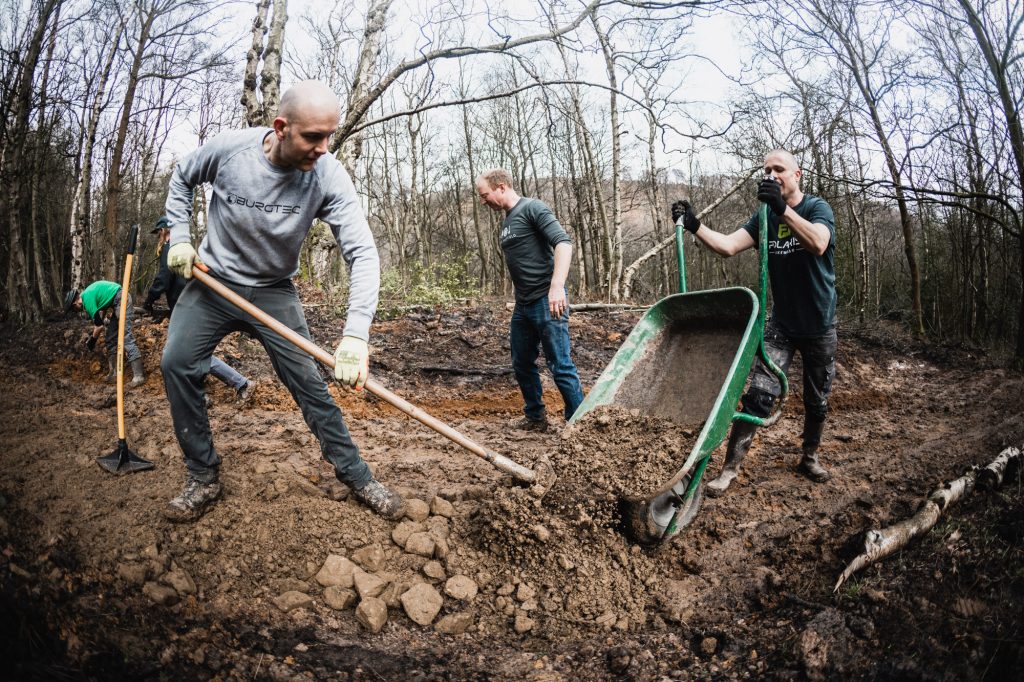
    Ride Sheffield have looked after Devil’s Elbow for ten years….

    Over the years, the British Mountaineering Council (BMC) has become more and more obsessed with the minutiae of access and the effect it can have on the environment. Local access volunteers, particularly Henry Folkard, have conducted themselves in an exemplary fashion, largely in the Peak District. 

    Nearly twenty years ago, Stanage and North Lees Ranger Bill Gordon began to study the ring ouzel, a red-listed bird that had reduced in numbers across the British Isles. He recorded populations and nests and concluded that numbers at Stanage and Burbage were holding up well but needed to be protected.

    A site meeting was held and an RSPB official suggested there should be a four month access ban on Stanage to prevent disturbance of the birds. Unsurprisingly, the response from the BMC was to firmly oppose that idea. Stanage has always been one of the most popular crags in the country and a magnet for walkers too. A ban would alienate many of those people.

    Instead, local bird study groups, Henry Folkard and the Peak District National Park got together and came to an agreement that climbers would avoid nesting sites and neighbouring climbing routes to give the ouzel every chance to breed successfully. 

    Over the next few years, climbers took ownership of the ring ouzel and went out of their way to protect it. Signs were posted near nests and the BMC put out regular updates. One day, Flo, Bill Gordon’s wife, was taking down one of the signs after a nest had successfully fledged and a climber on a nearby climb shouted, “Oy, leave the ring ouzels alone!!”

    Engaging outdoor folk in the process of protecting the ring ouzel was a stroke of genius. Over the years, ouzel numbers have fluctuated and the scheme has grown. Climbers, ramblers and mountain bikers have been recruited to monitor nests. 
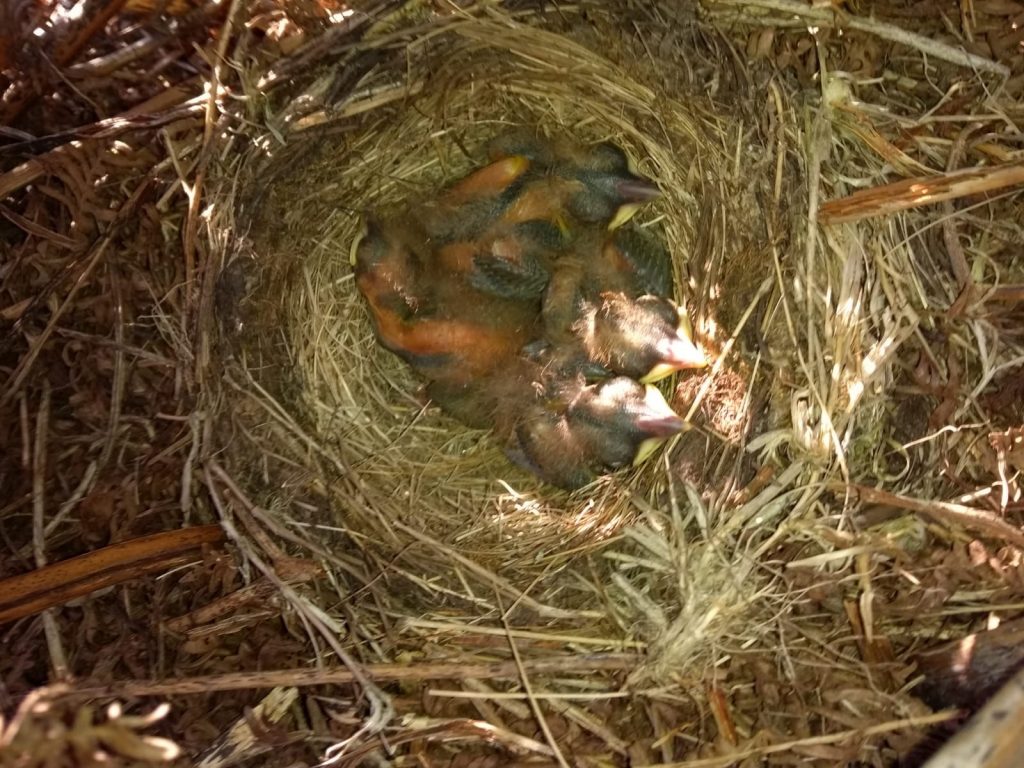
    This nest was discovered and recorded by a mountain biker and fledged successfully.

    Involving the outdoor community is so much more productive that treating them as pariahs. The knowledge gained will always be passed on to friends and fellow enthusiasts, ensuring that the message gets out there – look after the wild world. 

    Are there other examples of people getting it right? Mountain bike group Ride Sheffield have an outstanding relationship with the Sheffield and Rotherham Wildlife Trust. For the last ten years, they have maintained all the bridleways on Blackamoor Nature Reserve, allowing the Trust to concentrate on essential conservation work. It has also given an underfunded Sheffield City Council (SCC) a helping hand too saving money for the Rights of Way Team.

    Most land managers have volunteer schemes that bolster their ability to enhance the natural world. We need to expand the volunteer ethic and encourage more people to get involved, particularly those who frequently visit the area. It’s good for the natural world and good for everyone’s mental health too.
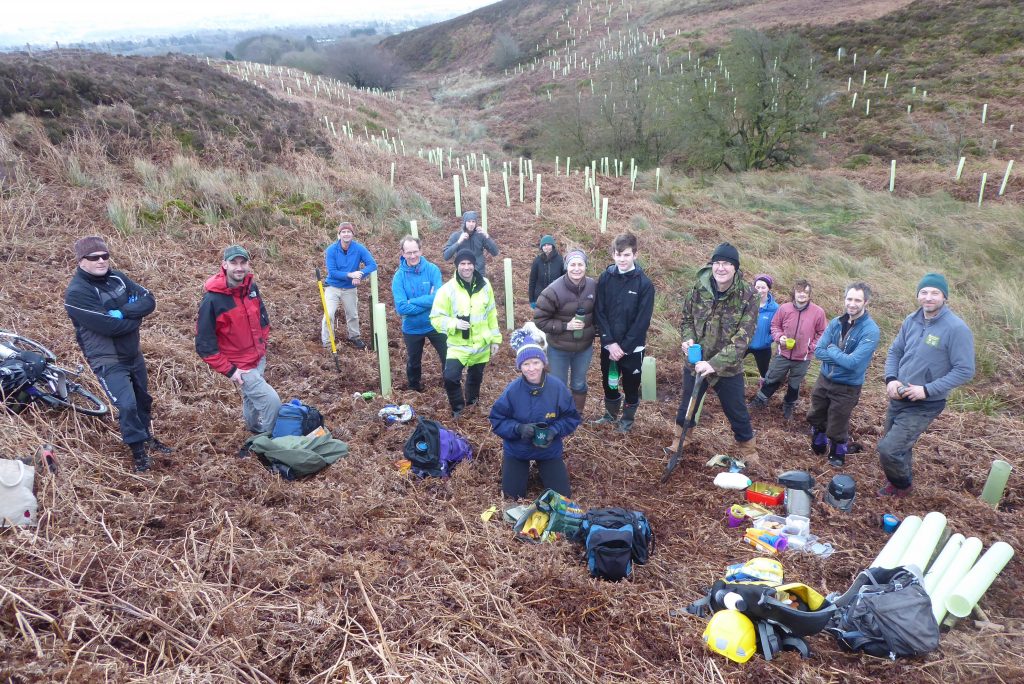
    Ride Sheffield volunteers planting trees for the Eastern Moors Partnership.

    Where are we getting it wrong? The way we access the Peak District is crucial in many respects.  Parking in the Peak District on popular days is sky-high and we need to encourage the use of public transport. The national park has a large network of roads that mean it’s difficult to get away from the sound of cars. Some years ago, SCC and the BMC funded a climbers’ bus that dropped people at Stanage. It was woefully underused and eventually discontinued. How can we remedy these problems?

    Both the Lake District and Peak District National Parks are considering some radical solutions. One of the proposals is to close some roads so that peace returns to the moors. Our obsession with motor vehicles has to be challenged and the tranquility that would result from closing a few roads at weekends would be a game changer. Introducing shuttle buses is also on the cards, ensuring that access to the national park is maintained. Those buses would have to be able to transport bikes too. This is brave and inspirational but will it happen? 

    The Peak District is the second most popular National Park in the world, surrounded by cities and increasingly busy since people discovered it during lockdown. However, it is massively underfunded. While the vast majority of people want to look after it we have to aim higher. We must volunteer more and help those land owning charities that have taken a serious financial hit during the pandemic. Leave your car at home, ride in, listen carefully to advice from conservation bodies and support those charities. If we don’t, the place we love will suffer.
  • We’re Not The Problem….

    We’re Not The Problem….

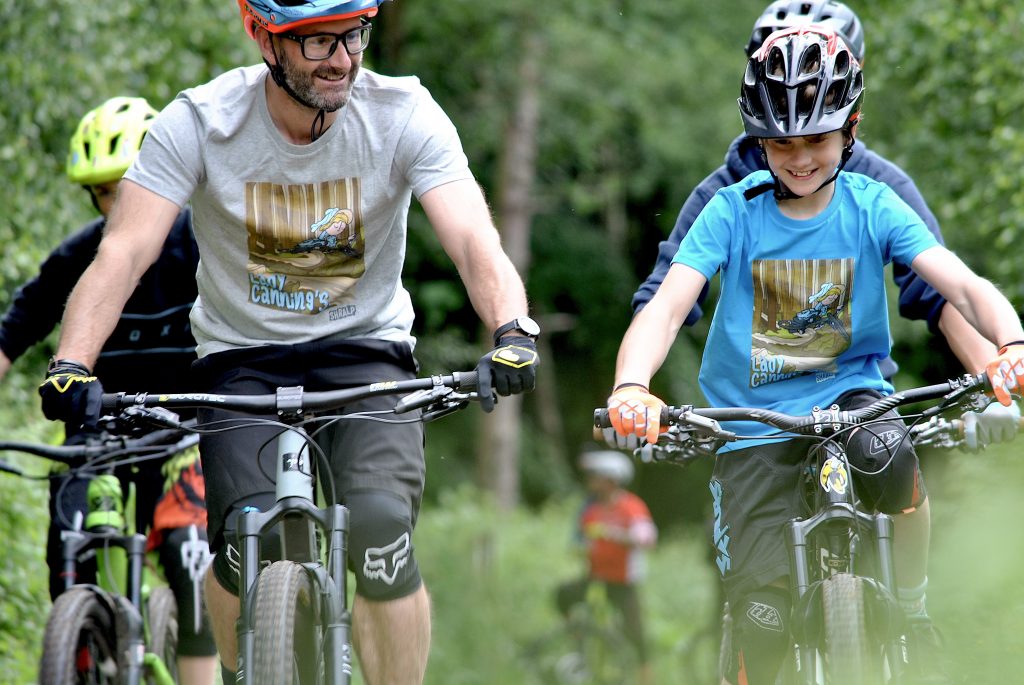
    Riding a mountain bike can sometimes be a challenging business because a proportion of other users make myriad assumptions about us. They dislike mountain bikers and don’t accept that in fact the biking community is as diverse as any other community.

    I was once on a ride, spotted a couple of walkers approaching and pulled into the side to let them pass in spite of the footpath being as wide as a bridleway. Hearing bird song above, peep-peep-peep, I said, “Wow, long-tailed tits!”

    Now, I’m absolutely certain that the lady was about to berate me for, um, parking my bike beside a footpath, but she was dumbstruck. A mountain biker, (a mountain biker?!) had recognised a flock of birds purely from their song?! 

    Her reaction was slightly worrying, like a robot fed dodgy code. Her mouth opened and closed, her eyes revolved at speed. She was unable to compute that a mountain biker would know anything about wildlife, a classic example of a diminishing elitist minority making wild assumptions and unable to accept that things are beginning to change.

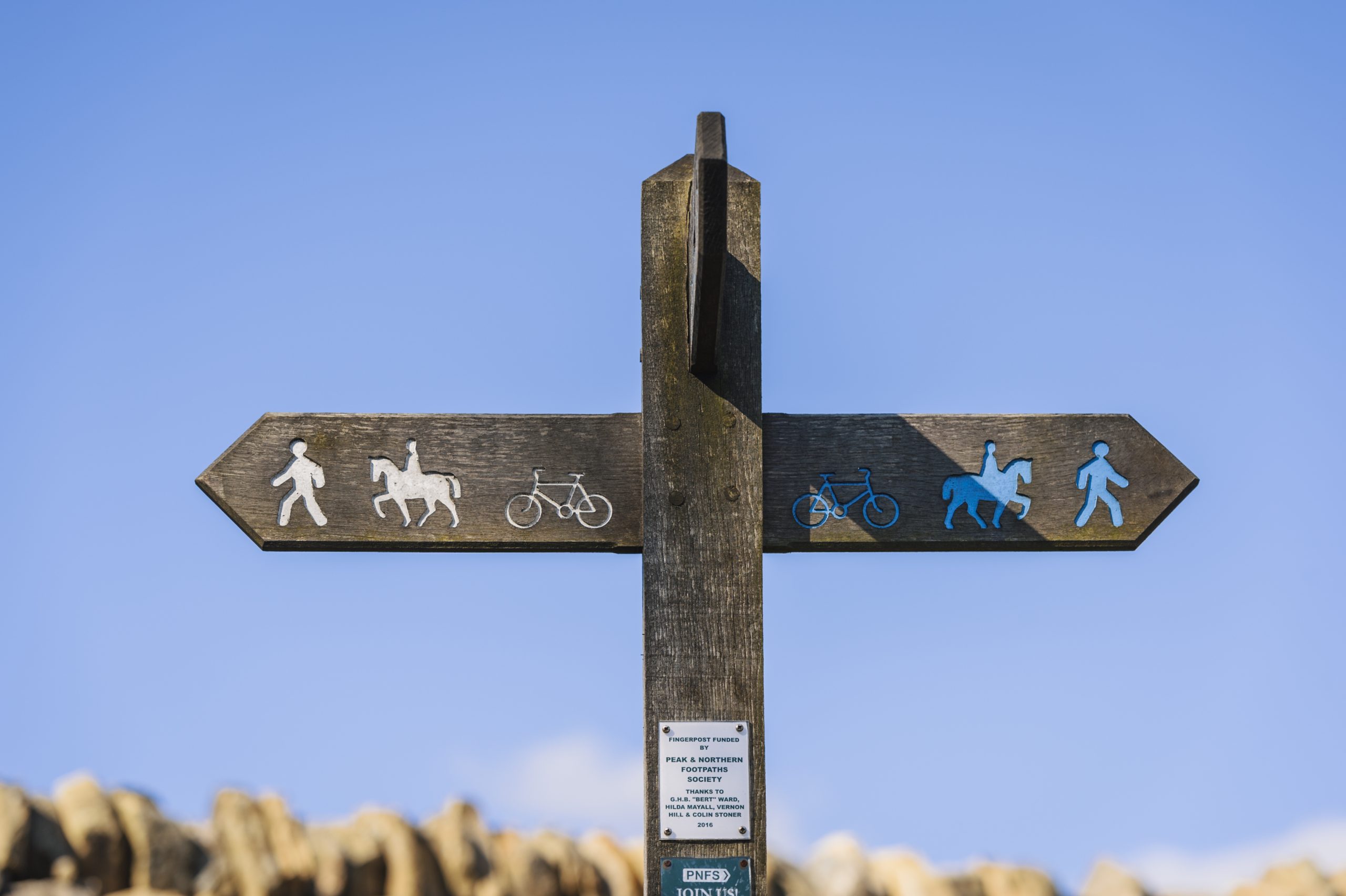
    And that change makes absolute sense. Mountain bikers now form the second largest group in the outdoor community and therefore deserve to be treated with respect. Bridleways are severely limited in parts of the country, particularly in the Peak District and many lack continuity, often delivering mountain bikers onto busy roads. Hence we sometimes use footpaths.

    The economic effect is marked. Studies done in both Wales and the Scottish Borders prove that bikers are a significant benefit to economically challenged rural areas. Scotland has changed its access laws so that walkers and mountain bikers have equal rights. Wales is considering doing the same thing. 

    Another significant factor is that mountain biking introduces a whole new demographic to the wonders of the great outdoors. That is absolutely crucial in the fight to protect our countryside.

    Contrary to the opinions of some user groups, mountain bikes have virtually no effect on wildlife, vegetation and the great outdoors in general. We are linear, we ride the paths, we don’t stray and we pass through rapidly without upsetting the crucial and often endangered wildlife that exists in this country.

    By comparison, other groups who also enjoy our wonderful landscapes have a massive effect. Walkers, over the years, have radically changed the Peak District, Lake District and the rest. Once upon a time, paths on Kinder and Bleaklow could be seen from space. Large areas were denuded of heather and bilberry thereby increasing erosion of the peat. As a result, millions of pounds have been spent to flag those paths and, fortunately, mother nature has slowly recovered and vegetation has re-established.

    The same is true in the Lake District. Lockdown has seen paths eroded by a massive number of people who have discovered the joys of the hills and dales. Potentially, vast sums of money will have to be spent to repair those paths. I have pointed this out to walkers and their response has been to dismiss it – apparently walkers have rights of access no matter what damage they cause.

    During the pandemic, there has been a significant increase in footfall. Road verges have been obliterated by car parking. Many paths have gone from a foot wide to four foot wide thanks to groups walking two or three abreast. Ground-nesting birds are often seriously affected by dog walkers. My local woods had large areas that were resplendent with wood anemones and bluebells in the spring which have now been trampled to oblivion. Many runners, regardless of ground conditions, will race where they want, when they want.

    My reason for explaining this is not to vilify other user groups but to highlight that we all have an impact. As far as I’m concerned, the great outdoors is for everyone and it is only by increasing access that we can build the determination to protect these wild spaces. We need to understand that we all have an effect. 

    Education is everything. Some land managers firmly believe that vilifying people is misguided. By alienating a user group, you push them to the fringes and risk provoking a bunker mentality – if you pull them into the fold, treat them as equals, you have the chance to influence how they conduct themselves.

    Ride Sheffield has a brilliant working relationship with a number of land managers and conservationists. I was tempted to slip the word ‘lucky’ in there but it’s important to stress that luck had nothing to do with it. From its inception, we were determined to engage with those who protect the local landscape. We joined stakeholder groups, offered to help out with maintenance of local trails and learnt a great deal about the conservation process from those with whom we co-operated .

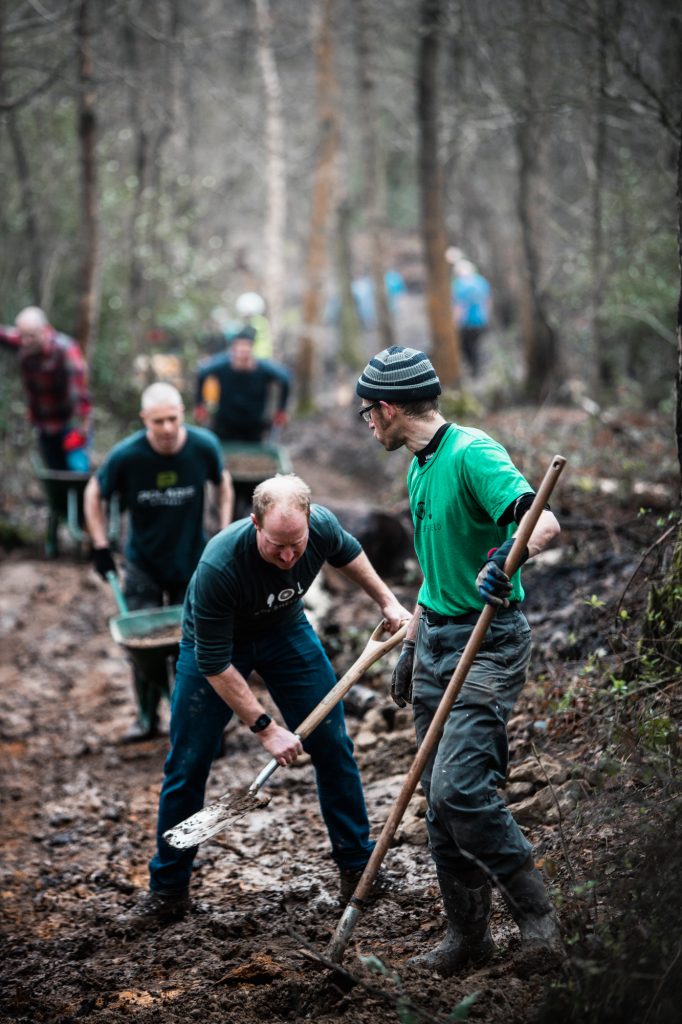
    We’ve done massive amounts of maintenance work on bridleways but also on footpaths that we know mountain bikers use. Occasionally, we’ve been joined by other users, but it’s a rare thing. We’ve raised money from local firms and crowd-funded in order to be able to purchase materials and hire equipment. We’re currently creating trail-maintenance crews and will train them and equip them thanks in large part to bike firms that are helping us out.

    And it’s not just us. Peak District MTB carry out maintenance work in the national park. In Scotland, the Tweed Valley Trails Association do sterling work. All over the country, mountain bikers help to maintain the rights of way network.

    Can other user groups make the same claim? Do runners dig in? Do walkers grab a spade? Should mountain bikers be reaching out to other user groups to form alliances? It’s inevitable that simply putting the word out to a bunch of mountain bikers for a trail maintenance day is more productive but we’re aware that involving other user groups would be a massive positive.

    And that is true because, contrary to the opinions of some users, we have much more in common than it would appear. Currently, we all have access to approximately 7% of our land mass. Much of the remainder is owned by the rich who are determined to keep it to themselves. Runners, walkers, horse riders and mountain bikers should be working together in order to right this historical wrong, because this land is our land, not the preserve of a privileged few.

    I recently rode the same footpath mentioned earlier. I came across numerous walkers, ones, twos, groups and a runner. Not one of them objected to my passing. Not one. I got involved in some lovely chats. It enhanced my ride. I feel that there is a growing majority who enjoy sharing the great outdoors and a sad minority who are determined to be confrontational. The latter should have a long, hard look at themselves.

  • Don’t be a dick.

    Don’t be a dick.

    It’s always disheartening to hear of poor behaviour by riders, particularly if it is on land managed by people with whom Ride Sheffield have developed a positive relationship. Unfortunately, we received an email recently from Sheffield and Rotherham Wildlife Trust (SRWT) that a nasty incident has occurred on the Blackamoor nature reserve.

    A gentleman was out walking with his eight year old daughter on a narrow footpath when five mountain bikers appeared at speed, he had to push his daughter to safety and leap out of the way. The bikers didn’t stop and make sure no harm had been done or apologise.

    We have a great working relationship with SRWT after years of liaising with them and repairing numerous trails on various SRWT managed sites. This incident has to be taken seriously by the wildlife trust. They are fully aware that the vast majority of mountain bikers act responsibly but the actions of the reckless minority has to be addressed.

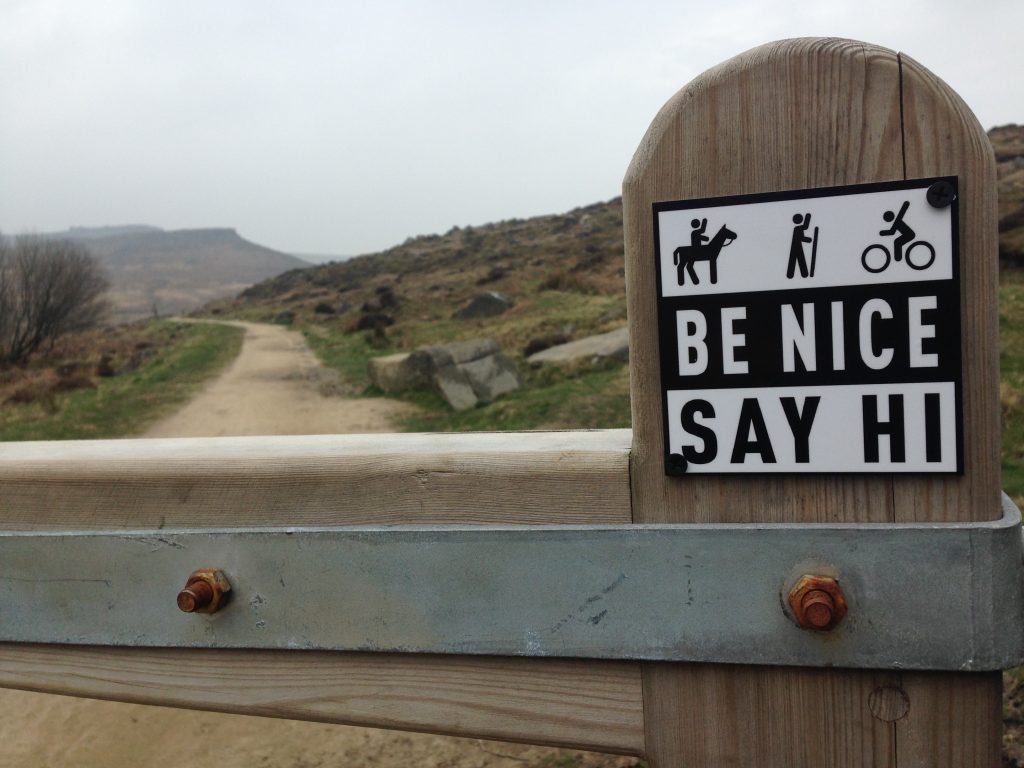
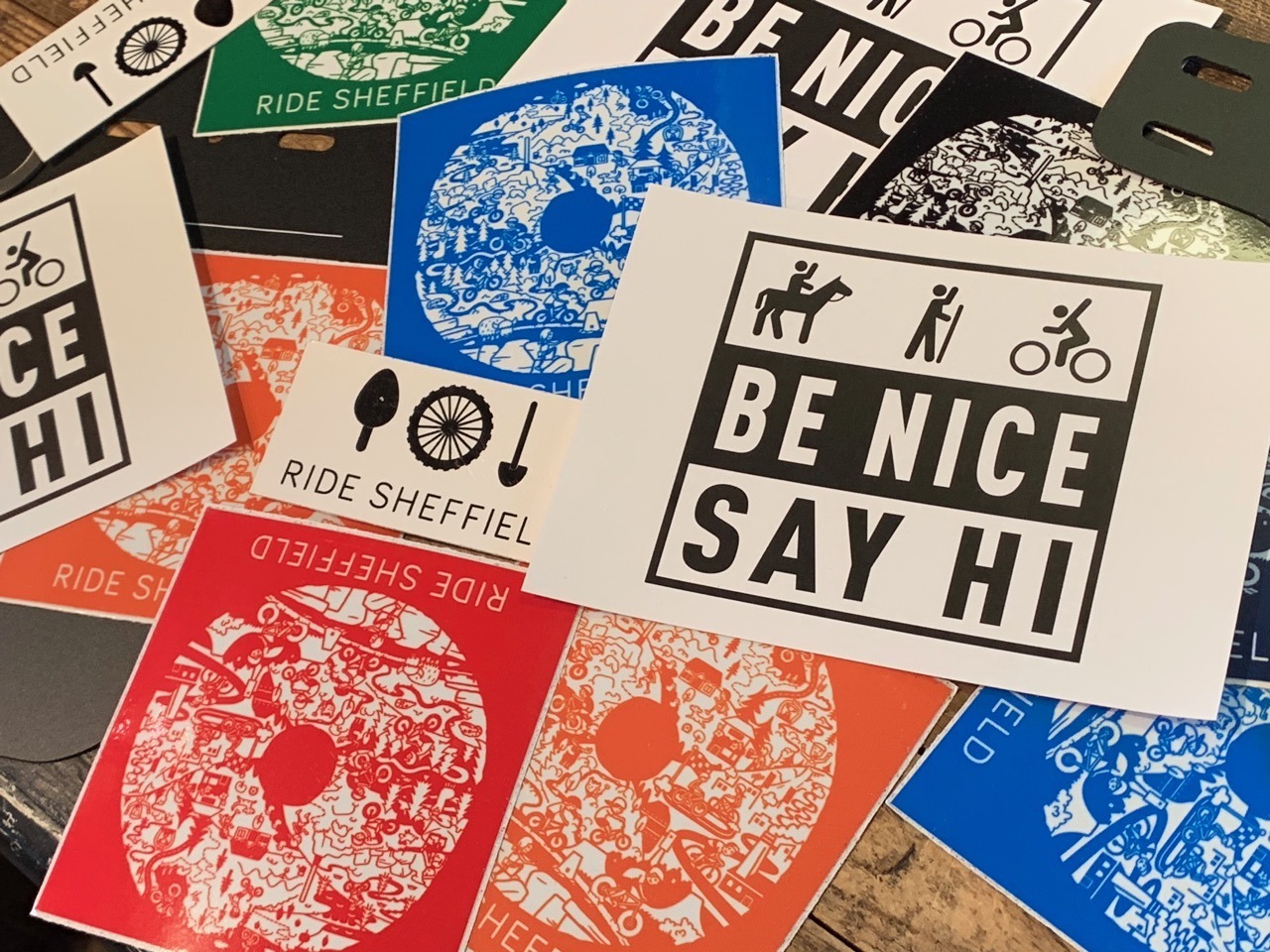
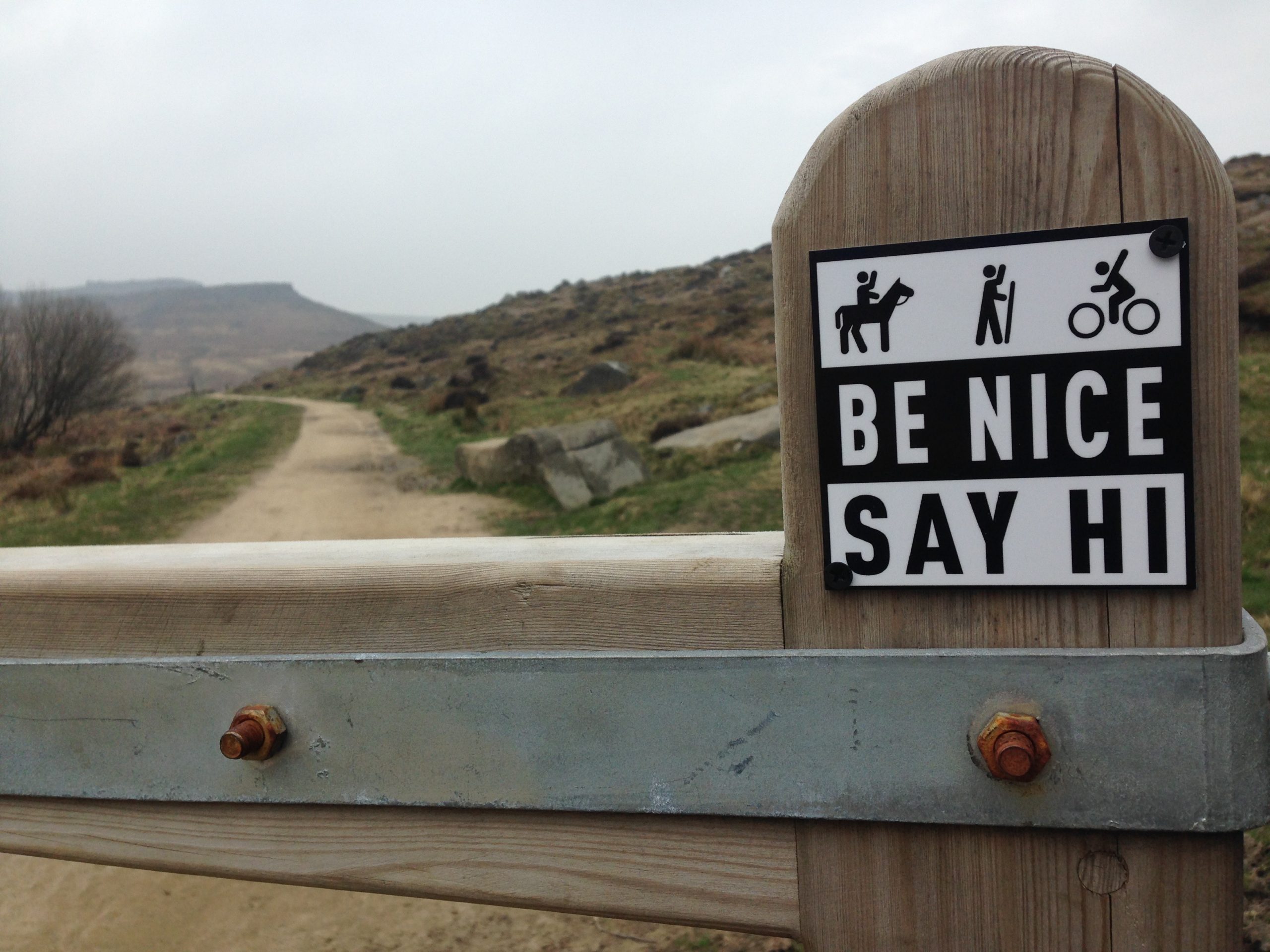
    Now, we know that on an occasion like this, we’re preaching to the converted. Ride Sheffield supporters have heard over and over again the Ride Sheffield mantra – Be Nice, Say Hi, take care of other trail users and ride within your capabilities. An increasing number of mountain bikers get it – if we act irresponsibly, it could have a long term effect on the rights we have or compromise our chances of increasing those rights.

    But the important thing is peer pressure. Please share the hell out of this story because it is demonstrably a threat to our sport. Talk to other riders, discuss it with your mates, put it out on social media and mountain bike channels. Make sure that it gets out into the wider riding community because it is only through putting pressure on those who ride like dicks that we will, eventually, be able to decrease the small proportion of mountain bikers who do exactly that.

  • Let’s Talk About This….

    Let’s Talk About This….

    There’s a subtle shift going on in the mountain biking world at the moment. Key influencers are creating a serious debate about where the sport should be going, not where it’s been. When a group as diverse as Guy Kesteven, Tracey Moseley, Josh Bryceland, Tommy Wilkinson, Aneela McKenna and Dom Ferris are addressing issues as varied as litter, diversity, trail building, conservation and the economic effect of mountain biking, the sport has reached a new level of maturity.

    As a result, Matt Heason, the creator of the Sheffield Adventure Film Festival has asked Ride Sheffield to host a series of online debates that examine this sea change.

    First up is Tommy Wilkinson, an extraordinary chap in every sense. His obsession with the great outdoors and conservation knows no bounds and that obsession has evolved into a passion for engaging with landowners and managers to persuade them that mountain biking isn’t a problem, it’s part of the solution.

    Next in line is Aneela McKenna, professional MTB guide and coach of multi award winning adventure and guiding company Go-Where Scotland. She brings 20+ years as a Diversity and Inclusion professional into everything she does, striving to widen participation in cycling.

    Lastly, Cy Turner, head honcho and creator of Cotic Cycles. Cy was an engineer and a mountain biker and the two inevitably combined when he decided he wanted to create a bike perfect for the Peak District. The resulting Soul is still a classic. He has also been heavily involved in Ride Sheffield from its inception and has solid views on where the sport needs to go.

    All the information you need is here –

    https://shaff.co.uk/shaff21/shaff-online-tommy-wilkinson-john-horscroft

    https://shaff.co.uk/shaff21/shaff-online-aneela-mckenna-talks-to-john-horscroft

    https://shaff.co.uk/shaff21/shaff-online-cy-turner

  • Riding in the Wild

    One of our favourite local land managers has recently contacted us about trail building in a very sensitive area on a local nature reserve. Ride Sheffield understands that there is a serious urge to increase the number of trails in the Peak District but we ask everyone to think very carefully before they start creating a new run.

    Are people aware of the different conservation designations ? Does everyone realise how crucial our nature reserves and Sites of Special Scientific Interest (SSSI) are? There are places locally that are even more important than SSSI’s, such as Special Areas of Conservation and Special Protection Areas. Could we do more to alert people to the importance of these conservation areas? Ride Sheffield is all about mountain biking, it’s in our DNA but we also love the places we ride.

    Be Nice, say Ey Oop….

    Nature is under threat and one of the joys of being in the great outdoors is engaging with the natural world. Lots of places within the Peak District and Sheffield City region are important habitats. Many are being carefully managed in order to encourage threatened species to thrive. Even outside those areas that have a conservation designation, we still need to be careful because habitats are constantly under threat from urbanisation and overuse. If we’re riding on existing trails, our impact on wildlife is minimal, in fact, much less than some other user groups.

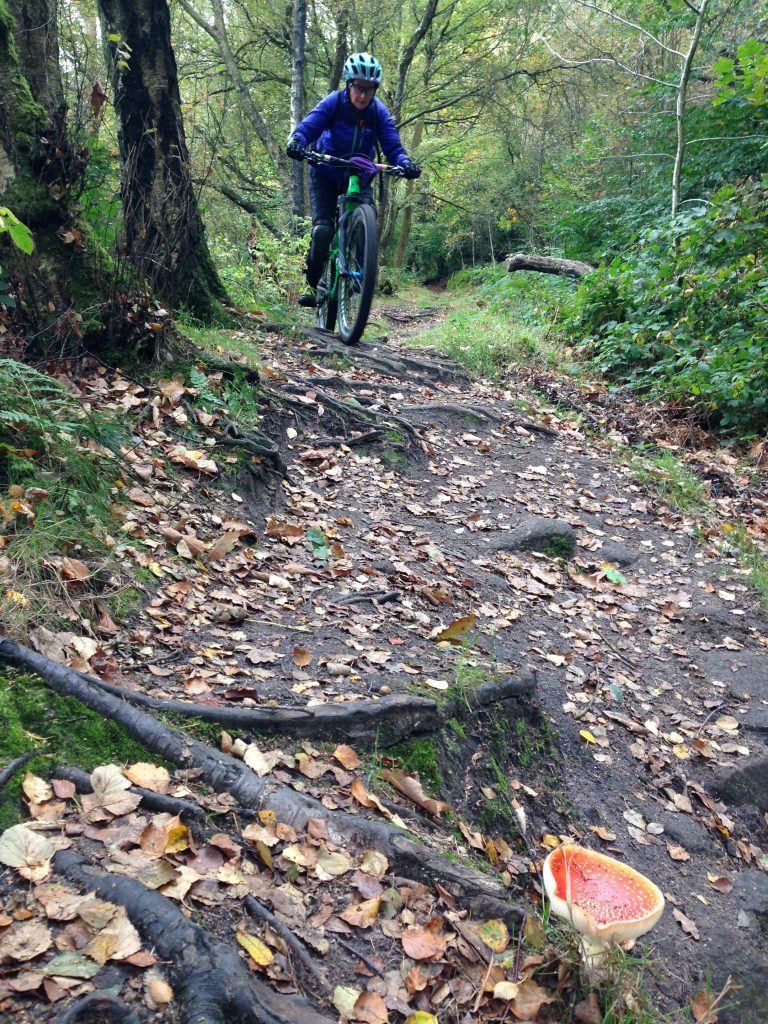
    Have fun, save the fungi!

    However, if we stray into those areas that are being managed in a very specific way, we can have a negative effect. Over the years, Ride Sheffield has built a great relationship with numerous local land managers who take a very positive view of mountain biking. They’ve grown to respect the mountain bike community and dealt with contentious issues like Sheepskulls in an even-handed way. With the help of our supporters, we’ve maintained trails allowing the land managers to concentrate on the important stuff, nature conservation.

    We dig digging….

    So it’s important, and generally a given, that mountain bikers understand the importance of nature conservation. We know that the vast majority of mountain bikers care about where they ride and we’d urge them to chat whenever possible to fellow riders and spread the word. We’re lucky to live in such a wonderful place and it needs looking after.

    If you want to know more, the following two links are a good place to start – 

    https://www.visit-eastern-moors.org.uk/protect/

  • Redmires Boost

    Redmires Boost

    Who doesn’t love a silver lining? Well, 2020 has taught us to appreciate what we have and we think we’ve found one hidden within the Redmires postponement news. Take a closer look and you’ll see why we think Ride Sheffield is now in a good position to make great stuff happen.

    1. Reputation

    We’re pretty sure that the National Park now knows Ride Sheffield is a diligent and responsible group to work with who understand the conservation value of every part of the Peak District, even a coniferous plantation. We may have questioned some of the objections they raised but we completely understand the importance of endangered species like the nightjar and always have done.

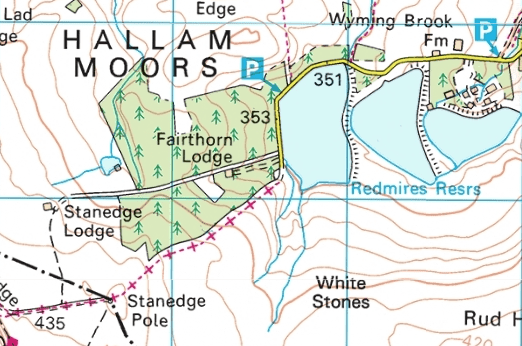
    OS map of Redmires
    Redmires – it could still happen….

    2. Building Relations

    We’ve continued our excellent relationship with local conservation groups like Sheffield Bird Study Group. It’s crucial that user groups like us engage with conservationists and land managers – there is always much to learn. The increasing pressure on the Redmires honeypot has certainly had an effect on the resident wildlife. Maybe other user groups should be examining their impact?

    3. The Outdoor City

    Battling through the vagaries of a planning application in concert with Sheffield City Council has cemented an even closer relationship with the           Outdoor City. It was a tough three years for both for us, a volunteer group and a city that believes in the value of the great outdoors. Working together pulls you closer and we have every confidence that, in the future, this will deliver results.

    The Outdoor City

    4. Greno Woods Facelift

    Our corporate sponsors have stood by us throughout. Much of the funds raised for Redmires will now go to work on the Greno Woods trails which have been incredibly popular during Covid and are showing considerable signs of wear and tear.

    Greno work could start soon….

    5. New Energies

    Lastly and, frankly, bizarrely, postponing Redmires has unleashed a tsunami of stored energy. Redmires was all-consuming for three years and in many ways prevented Ride Sheffield from pushing on. The last couple of months by comparison have seen a very successful raffle, a superb application for grant funding to the Santa Cruz Paydirt project and numerous suitably anti-socially distanced trail days. 

    There’s more to come so watch this space! We’re going into 2021 with optimism and believe every cloud has a silver lining….

    Vulcan Engineering, our biggest sponsor, has been incredibly generous allowing us to keep £7,500 of the original donation. The remaining £15,000 is to be used to build a sand dam in Africa that will ensure that a huge number of people have a ready supply of water. It really is an amazing scheme that benefits those who regularly have to walk kilometres to find water. If you’d like to help out with the scheme, details are HERE.

  • Thanks for the invite!

    Thanks for the invite!

    You know you’re influence is evolving when you get invited to a meeting and your first reaction is amazement.

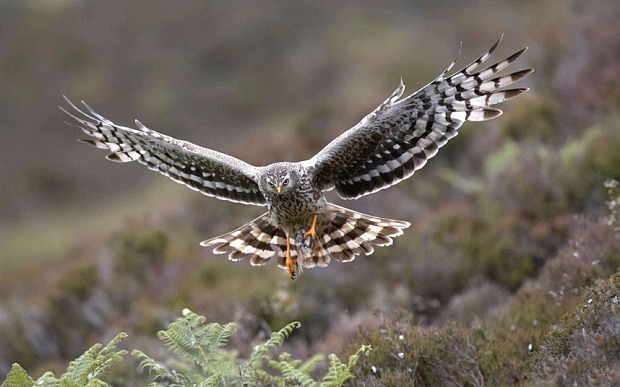
    Hen Harrier
    (more…)
  • Ride and Prejudice

    This article comes with a health warning, please approach with caution. If you’re a conservationist or outdoor enthusiast of a nervous disposition, look away now. If you’re happy to have your preconceptions challenged, read on….

    (more…)
  • RADmires Rallying Cry

    The rebellious heart of mountain biking can occasionally tip over into a kind of juvenile grumpiness, “I don’t care, I’m going to do what I like and the rest of the world can go to hell.” Ride Sheffield loves the fact that individualism and freedom are core parts of our great sport, but we also love it when the sport pulls together to achieve a greater good.

    (more…)
  • Radmires – how we can all help make it happen….

    With the help of local riders and businesses, Ride Sheffield have raised all the money required to build a red graded trail in Redmires plantation in the Peak District. Enormous effort has gone into satisfying the various demands placed on us by the Peak District National Park and other user groups. The first attempt at gaining planning permission has, however, been placed on hold. Here’s the story….


    (more…)